

Water Intake Converter
INTRODUCTION
You are a software engineer in Austin, Texas. It is Tuesday morning. You are 34 years old, 180 pounds, and you sit in ergonomic chairs for ten hours a day. Your Apple Watch tells you to stand. Your Oura ring tells you to sleep. Your doctor tells you to drink eight glasses of water a day. You fill a 16-ounce tumbler four times and call it done.
By 3 PM, your headache is a drum solo behind your left eye. Your urine is the color of dark amber. Your brain feels wrapped in cotton. You cannot focus on the stand-up meeting. You snap at a junior developer over a pull request. You think you need coffee. You drink another cold brew. The caffeine tightens your blood vessels. Your headache worsens. You eat Tylenol like mints.
You are not sick. You are not overworked. You are chronically, mathematically dehydrated — because "eight glasses a day" is not a formula. It is a folk tale. And your body is not average.
---
Week 2: Your sister in Miami is a Peloton addict. She rides 45 minutes every morning, sweats through her sports bra, and drinks a 20-ounce water bottle during class. She thinks that bottle covers her workout loss. She spends the rest of the day in air-conditioned offices and cars, sipping iced coffee.
She gains two pounds that week despite eating clean. Her muscles cramp during the Friday ride. Her skin breaks out along her jaw. She feels dizzy standing up. She thinks her hormones are imbalanced. She books a telehealth appointment for $45. The doctor asks how much water she drinks. She says, "Plenty. A whole bottle during my workout."
The doctor calculates: 45 minutes of high-intensity cycling in 78°F humidity = roughly 34 ounces of sweat loss. She replaced 20 ounces. Then she drank coffee (a diuretic) and ate a high-protein diet (which requires extra water for nitrogen excretion). She is running a daily deficit of 20–30 ounces. Her body is retaining water in desperation, causing bloat. Her muscles are cramping from electrolyte imbalance. Her skin is purging from impaired toxin clearance.
She spent $45 to learn she needed a calculator.
---
Week 3: Your cousin in Phoenix is a construction foreman. He is 210 pounds, works 10-hour shifts in 105°F heat, and carries a 2-gallon cooler. He drinks the entire cooler by noon. He thinks more is better. He drinks another gallon by dinner. He eats salty takeout. He wakes at 2 AM with his heart hammering, hands shaking, and a confusion so thick he thinks he is having a stroke.
He is in the ER by dawn. His blood sodium is 128 mmol/L. Normal is 135–145. He has diluted his blood so severely that his cells are swelling. The diagnosis: exercise-associated hyponatremia — water intoxication. He is given IV saline and monitored for 24 hours. The bill is $4,200. He was not dehydrated. He was overhydrated — because he drank a static amount without converting for his mass, his sweat rate, his sodium loss, or his kidneys' hourly processing limit.
---
Month 2: A nursing student in Chicago is on a clinical rotation. She is 125 pounds, walks 14,000 steps per shift, and lives in a heated apartment where humidity hovers at 18%. She drinks the same 64 ounces daily that her fitness app recommends. Her lips crack. Her eyes burn. She gets two UTIs in six weeks. She thinks she is unlucky. She is not. She is evaporating.
Heated indoor air strips moisture through respiration and skin diffusion at a rate 30% higher than temperate environments. A 125-pound person in dry heat with high activity needs closer to 90–100 ounces, not 64. Her static goal failed her anatomy.
---
Month 3: A keto dieter in Denver drops 15 pounds in three weeks. He is thrilled. He is also exhausted, nauseated, and experiencing heart palpitations. His wife finds him on the bathroom floor. The paramedics suspect a heart issue. It is not his heart. It is his water math.
Ketogenic metabolism depletes glycogen, and each gram of glycogen binds 3–4 grams of water. When he cut carbs, he flushed 5–7 pounds of water in days. He kept drinking his usual 60 ounces, but his kidneys were now dumping sodium and potassium at a furious rate. He needed 100+ ounces and aggressive electrolyte replacement. He needed a converter that understood his diet, not just his body weight.
This is what happens when you hydrate by guessing instead of converting with precision.
---
Hydration is the most miscalculated health metric in American life. It sits in every gym, every office, every hospital, every diet plan, and every "New Year, New Me" resolution. But "drink more water" is not advice. It is noise. Without conversion — by body weight, activity, climate, diet, and physiology — you are either chronically dehydrated, dangerously overhydrated, or wasting money on wellness theater.
A Water Intake Converter does not just multiply ounces. It translates your physiology into a hydration protocol. It tells you whether your post-workout chug is enough, whether your dry office is stealing your focus, whether your high-protein diet is drying you out, and whether your 2-gallon challenge is poisoning you.
In 2026, with biohacking, GLP-1 diets, home fitness ecosystems, and heat waves shattering records, you encounter hydration decisions daily. Knowing how much to drink — and how to adjust it — is not optional.
It is essential for every office worker, athlete, dieter, senior, pregnant woman, outdoor worker, and anyone who owns a water bottle in America.
---
WHAT IS A WATER INTAKE CONVERTER?
A Water Intake Converter is a digital tool that instantly recalculates your ideal daily fluid intake based on your body weight, activity level, environmental conditions, and dietary factors — while preserving the biological reality of your kidneys, sweat glands, and cellular needs.
Unlike a static "8×8 rule" or a generic fitness app notification, a converter translates your specific variables into a dynamic hydration target. It does not just give you a number. It gives you a schedule, a context, and a warning.
The parameters it handles:
• Body Weight — A 250-pound man and a 120-pound woman do not share a target.
• Activity Level — Sedentary, light, moderate, heavy, and athlete-tier exercise.
• Exercise Duration & Intensity — Sweat rate varies by sport, heat, and effort.
• Climate & Temperature — Humidity, altitude, and seasonal heat adjustments.
• Dary Type — High-protein, keto, high-fiber, vegan, and sodium-heavy diets alter needs.
• Health Conditions — Pregnancy, breastfeeding, kidney disease, heart failure, diabetes.
• Age — Metabolic water production and thirst sensation decline after 50.
• Fluid Source Mix — Water, coffee, tea, food moisture, and diuretic offset.
Scenarios covered:
• Office Workers — Sedentary dehydration, dry HVAC air, coffee culture.
• Athletes & Gym Goers — Pre-hydration, sweat-loss replacement, electrolyte timing.
• Outdoor Workers — Construction, landscaping, agriculture, delivery drivers.
• Dieters — Keto, paleo, intermittent fasting, high-protein, calorie restriction.
• Seniors — Reduced thirst sensation, medication interactions, fall risk from dizziness.
• Pregnant & Breastfeeding Women — Amniotic fluid, blood volume, milk production.
• Travelers — Airplane humidity (10–20%), altitude sickness, jet lag recovery.
• Medical Recovery — Post-surgery, fever, vomiting, diarrhea, wound healing.
• Children & Teens — Sports practice, growth spurts, sugary drink replacement.
Standard inputs:
• Body metrics — Weight, age, sex
• Daily activity — Hours of exercise, type of exercise, step count
• Environment — Local temperature, humidity, altitude, indoor heating/cooling
• Diet profile — Protein intake, carb level, sodium level, caffeine intake, alcohol
• Health status — Pregnancy, breastfeeding, medical conditions, medications
Outputs you get:
• Exact daily target — In ounces, cups, liters, and water bottles
• Hourly drinking schedule — "Drink 12 oz by 10 AM, 16 oz post-workout"
• Exercise replacement — Additional ounces per 30 minutes of activity
• Climate adjustment — Bonus ounces for heat, humidity, or altitude
• Diet offset — Extra water for high protein, fiber, or ketosis
• Safety ceiling — Maximum safe intake to avoid hyponatremia
• Urine color guide — What your body is actually telling you
• Weekly trend estimate — Gallons consumed, cost of bottled water, plastic bottles saved
It answers the questions every American asks:
"I weigh 200 pounds and do CrossFit. Is a gallon enough?"
"I am on keto and feel terrible. Am I drinking too much or too little?"
"I work outside in Texas summer. How much should I actually drink?"
"I am pregnant. Does my water goal change by trimester?"
---
HOW TO USE THE NUMOVIX WATER INTAKE CONVERTER
Our converter gives you accurate, instant results in under 10 seconds.
Step 1:
Enter your body metrics.
Example: Male, 32 years old, 185 lbs
---
Step 2:
Enter your activity profile.
Example: Moderate exercise 5×/week, 45 min sessions, office job
---
Step 3:
Enter your environment.
Example: Houston, TX, summer, outdoor running, 90°F average
---
Step 4:
Enter your diet profile.
Example: High-protein, 2 cups coffee/day, low-carb
---
Step 5:
Click "Calculate Hydration."
You will instantly see:
Example: 185-lb Male, Active, Hot Climate, High-Protein Diet
---
Hydration Result:
| Parameter | Base Calculation | Adjustment | Final Target |
| Base by Weight | 185 lbs × 0.5 oz = 92.5 oz | — | 92.5 oz |
| Activity Bonus | +12 oz per 30 min exercise | 45 min = +18 oz | +18 oz |
| Climate Bonus | +20% for 90°F heat | +18.5 oz | +18.5 oz |
| Diet Bonus | +20% for high protein/low carb | +18.5 oz | +18.5 oz |
| Caffeine Offset | -4 oz per cup (diuretic) | 2 cups = -8 oz | -8 oz |
| Daily Total | — | — | 139.5 oz (~1.1 gallons) |
| Safe Ceiling | — | — | 180 oz max |
| Bottle Equivalent | — | — | 7 × 20-oz bottles |
---
Schedule Recommendation:
| Time | Amount | Notes |
| 7:00 AM | 16 oz | Upon waking (dehydrated from sleep) |
| 9:30 AM | 12 oz | At desk, before coffee |
| 12:00 PM | 20 oz | With lunch (high protein needs dilution) |
| 2:00 PM | 12 oz | Afternoon focus dip |
| 5:30 PM | 24 oz | Pre and during workout |
| 7:30 PM | 16 oz | Post-workout recovery |
| 9:00 PM | 12 oz | Cut off to avoid sleep disruption |
| Total | 112 oz scheduled | 27.5 oz from food/metabolic water |
---
Real-World Reference Table:
| Scenario | Profile | Base Need | Key Adjustment | Final Target | Warning |
| Office worker | 150-lb female, sedentary, AC office | 75 oz | +10% dry air | 82 oz | Spread through day; don't chug |
| CrossFit athlete | 200-lb male, 1-hr WODs, 5×/week | 100 oz | +24 oz workout; +15% protein | 139 oz | Add electrolytes; don't exceed 200 oz |
| Keto dieter | 170-lb female, 20g carbs/day | 85 oz | +30% ketosis flush | 110 oz | Must add sodium/potassium/magnesium |
| Pregnant woman | 160-lb, second trimester | 80 oz | +20% blood volume; +10 oz amniotic | 106 oz | Avoid bisphenol bottles; sip steadily |
| Breastfeeding mom | 140-lb, nursing 6×/day | 70 oz | +25–35 oz for milk | 100–105 oz | Thirst is a lagging indicator; pre-hydrate |
| Senior (70+) | 160-lb, walks daily, on diuretics | 80 oz | -10% reduced thirst sensation | 72 oz + meds timing | Set alarms; dark urine = emergency |
| Construction worker | 220-lb, 10-hr shifts, Phoenix summer | 110 oz | +40% heat; +20% sweat | 176 oz | Electrolytes critical; urine every 2 hrs |
| Airplane traveler | 180-lb, 6-hr flight | 90 oz | +16 oz per 2 hrs flight | +48 oz flight day | 1 oz per minute of flight minimum |
| Teen athlete | 145-lb, football practice, August | 72 oz | +32 oz practice; +20% heat | 118 oz | Coach must enforce; heatstroke risk |
| GLP-1 user | 190-lb, semaglutide, nausea | 95 oz | +15% slower gastric emptying | 109 oz | Small sips; large volumes trigger vomiting |
| High-altitude hiker | 165-lb, Denver hiking, 8,000 ft | 82 oz | +25% altitude respiration loss | 102 oz | Start hydrating 2 days before |
---
THE MATH BEHIND WATER INTAKE
Understanding the formulas helps you verify results and hydrate intelligently when offline.
---
Base Hydration by Body Weight
Formula:
Base ounces = Body weight (lbs) × 0.5 to 0.67
• 0.5 oz per pound — Sedentary, temperate climate, standard diet
• 0.6 oz per pound — Moderately active, warm climate, or high-protein diet
• 0.67 oz per pound — Very active, hot climate, or athletic training
Example:
180 lbs × 0.5 = 90 oz (office worker baseline)
180 lbs × 0.67 = 120 oz (athlete baseline)
---
Exercise Sweat Replacement
Formula:
Additional ounces = (Minutes of exercise ÷ 30) × Sweat rate factor
Sweat rate factors:
• Light (yoga, walking): 8 oz per 30 min
• Moderate (jogging, cycling): 12 oz per 30 min
• Heavy (CrossFit, basketball, manual labor): 16–20 oz per 30 min
Example:
45 minutes of heavy lifting in a warm gym:
(45 ÷ 30) × 14 oz = 21 oz additional
---
Climate & Environment Adjustment
Formula:
Climate multiplier = Base × (1 + adjustment %)
Adjustments:
• Hot weather (85°F+): +15–25%
• High humidity (70%+): +10% (sweat does not evaporate; body works harder)
• Very dry air (20% humidity or less): +10–15%
• High altitude (5,000+ ft): +20–30% (respiratory water loss increases)
• Heated indoor winter air: +10%
Example:
Base 90 oz in Phoenix summer (+20%):
90 × 1.20 = 108 oz
---
Dietary Adjustment
Formula:
Diet multiplier = Base × (1 + diet %)
• High protein (>150g/day): +15–20% (kidneys need water to clear nitrogen)
• Keto / very low carb (<50g/day): +25–30% (glycogen depletion flushes water)
• High fiber (>40g/day): +10% (fiber binds water in gut)
• High sodium (>4,000mg/day): +10% (osmotic balance requires dilution)
• Caffeine (>300mg/day): +8 oz per 100mg over baseline (net diuretic effect)
• Alcohol: +16 oz per standard drink (rehydration + metabolism cost)
---
Pregnancy & Breastfeeding
• Pregnancy: Base + 20–25% (blood volume expands by 50%; amniotic fluid turnover)
• Breastfeeding: Base + 25–35 oz per day (milk is 87% water; 25–30 oz milk daily)
---
Safety Ceiling (Hyponatremia Prevention)
Formula:
Max safe ounces = Body weight (lbs) × 1.0
Example:
180 lbs × 1.0 = 180 oz max per day (unless under medical supervision with electrolytes)
Drinking beyond this risks diluting blood sodium. Do not exceed without physician guidance.
---
The "Urine Color" Mental Trick:
Memorize this on your bathroom mirror:
• Pale straw / light yellow — Well hydrated
• Transparent — Possibly overhydrated (cut back slightly)
• Dark yellow / amber — Dehydrated (drink 16 oz now)
• Orange / brown — Severe dehydration or liver issue (seek medical care)
• Pink / red — Blood in urine (seek immediate care)
---
Complete Real Example:
The Martinez Family's Hydration Disasters
Starting Point:
• Location: San Diego, California
• Background: Dad is a firefighter, mom is a remote tech worker, son is a high school soccer player, daughter is on Ozempic for weight management
• Challenge: Every family member guesses their water intake. Zero hydration literacy.
---
Week 1: The Firefighter's Heat Exhaustion
Carlos Martinez works a 24-hour shift at Station 14. He is 210 pounds, wears 75 pounds of gear, and fights a warehouse fire in 94°F heat. He carries a 1-liter bottle and refills it three times. He thinks 3 liters (~100 oz) is plenty.
He sweats 2–3 liters per hour in bunker gear. Over a 3-hour active firefight, he loses 6–9 liters. He replaces 3 liters. He eats a salty dinner. He wakes at 3 AM with cramps so severe his crew calls an ambulance. His sodium is 131. His creatinine is elevated. He is given IV fluids and benched for two weeks.
He never learns that a 210-pound man in active firefighting needs 1 oz per pound minimum = 210 oz, plus 20 oz per 30 minutes of heavy heat work = an additional 120+ oz. He needed 330+ ounces across the shift, delivered with electrolytes, not plain water. He never learns that thirst is a lagging indicator — by the time he is thirsty, he is already 2% dehydrated, which impairs thermoregulation and decision-making.
The math he never did:
Base: 210 lbs × 0.67 = 140 oz
Activity: 3 hours firefighting = 6 × 30 min blocks × 20 oz = 120 oz
Heat: +25% = 35 oz
Total need: 295 oz minimum
He drank 100 oz. He ran a 195-ounce deficit. His body began digesting its own muscle tissue for water.
---
Week 2: The Remote Worker's Brain Fog
His wife, Elena, is 140 pounds and works from home in a converted garage office. The AC dries the air to 25% humidity. She drinks three 8-ounce glasses of water a day — 24 ounces — because she is "not really active."
Her baseline need: 140 × 0.5 = 70 oz.
Dry air adjustment: +10% = 7 oz.
Her actual intake: 24 oz.
Deficit: 53 oz daily.
By Thursday, she cannot concentrate on her Python code. She makes errors that cost her team a sprint deadline. She develops a stress headache she attributes to screen time. She buys $80 of blue-light glasses and ergonomic pillows. The real problem: her brain is 75% water, and it is shrinking from dehydration. Even 2% dehydration impairs short-term memory and focus.
She never learns that sedentary does not mean low-water. Respiration and skin diffusion alone cost 24–32 ounces daily before activity, food digestion, or climate. The converter would have told her: "70 oz minimum. Set a 12-ounce glass every 90 minutes. Eight glasses is the floor, not the ceiling."
---
Week 3: The Soccer Player's Cramp Collapse
Their son, Mateo, is 155 pounds and plays center midfield. He has a tournament in Riverside — three games in one day, 90 minutes each, with 30-minute breaks. He drinks a 16-ounce Gatorade before each game. He thinks 48 ounces covers it.
His sweat rate in midfield: roughly 1.2 liters per hour = 40 oz per game.
Three games = 120 oz of sweat loss.
He replaces 48 oz.
Deficit: 72 oz.
In the 70th minute of the third game, both hamstrings seize simultaneously. He collapses. The trainer stretches him for 20 minutes. He is subbed out. College scouts are watching. He is invisible for the final 20 minutes. He blames his conditioning. It was his water math.
He never learns that youth athletes are terrible at sensing thirst during competition. The converter would have told him: "Pre-hydrate 20 oz 2 hours before. Drink 8 oz every 15 minutes of play. Add 500mg sodium per liter. Target 140 oz on tournament day."
---
Month 2: The GLP-1 Dehydration Spiral
Their daughter, Sophia, is 28, 165 pounds, and started semaglutide three months ago. She lost 22 pounds. She also vomits twice a week and cannot eat more than 800 calories a day. She drinks water when she feels thirsty — which is rare, because the drug slows gastric emptying and suppresses thirst signals.
She develops orthostatic hypotension: every time she stands, her vision blacks out. She faints in a Target parking lot. The ER diagnoses severe dehydration compounded by medication-induced nausea. She is given a liter of saline. Her medication is paused.
She never learns that GLP-1 agonists increase dehydration risk by three mechanisms: reduced thirst, delayed stomach emptying (large water volumes cause vomiting), and lower food intake (food is 20% of daily water). The converter would have told her: "Sip 4–6 oz every 20 minutes. Target 90 oz via small, frequent doses. Add electrolytes. Do not chug."
---
Month 3: The Family Camping Trip
The Martinezes go to Joshua Tree in June. Carlos carries his firefighter habits: 1 gallon per day. Elena carries her office habits: minimal sipping. Mateo drinks sodas. Sophia sips nervously.
Carlos is fine. Elena develops a splitting altitude headache at 4,000 feet — respiratory water loss at altitude is 2× sea level, and she is still under-drinking. Mateo drinks Sprite instead of water and cramps on a hike. Sophia sips plain water all day, eats no salt, and by nightfall has a headache and nausea — the early stages of hyponatremia because she replaced sweat (salty) with pure water (no sodium) without eating.
They cut the trip short. They spent $400 on gear to suffer in the desert because none of them understood that hydration is contextual arithmetic, not willpower.
---
Month 4: Discovers the Converter
Elena's wellness-obsessed sister sends the Numovix Water Intake Converter.
Carlos checks his firefighter profile:
• 210 lbs, heavy active, hot climate, gear work → "Target 280–320 oz on shift days. Add electrolytes. Urine should be pale every 2 hours." "That is why I cramped."
Elena checks her remote work profile:
• 140 lbs, sedentary, dry office → "Target 77 oz. Eight glasses is not enough for your environment." "That is why I could not focus."
Mateo checks his soccer profile:
• 155 lbs, 3 games, 90°F → "Target 140 oz game day. Pre-load 20 oz. Sip 8 oz every 15 min." "That is why I collapsed."
Sophia checks her GLP-1 profile:
• 165 lbs, semaglutide, low appetite → "Target 90 oz via micro-doses. Add electrolytes. No chugging." "That is why I fainted."
They learned:
• Hydration is weight-based, not one-size-fits-all. A gallon is right for some, dangerous for others.
• Climate is a multiplier, not a detail. Dry offices and hot summers change everything.
• Exercise replacement is additive. You do not drink your baseline; you drink baseline + sweat.
• Diet changes water math. Keto, high protein, and low appetite all require conversion.
• Medications alter thirst. GLP-1s, diuretics, and antihistamines suppress or misdirect signals.
• Overhydration is real. Drinking beyond your ceiling without electrolytes dilutes your blood.
• Thirst is a liar. By the time you feel it, performance has already dropped.
---
New Approach:
Target: Mathematically sound hydration
The Martinez family:
• Runs every member's profile through the converter every season
• Owns multiple bottle sizes (12 oz for Sophia, 32 oz for Carlos, 20 oz for Mateo)
• Sets phone alarms tied to their personalized schedule
• Adds electrolytes to any day over 100 oz of output
• Tracks urine color as a daily biometric
• Pre-hydrates before travel, exercise, and outdoor work
Result:
• Carlos completes his next 24-hour shift without cramping. His urine chart is posted at the station.
• Elena hits her 77 oz, kills her afternoon brain fog, and stops buying wellness gimmicks.
• Mateo plays a full tournament cramp-free. A junior college coach emails his dad.
• Sophia maintains her weight loss without fainting. She sips smartly.
• They save $1,400 in one year by stopping ER visits, wasted supplements, and productivity loss.
Why? Because they respected the math.
---
HYDRATION BY SCENARIO & TYPE
| Scenario | Profile | Base Need | Key Adjustment | Final Target | Warning |
| Desk job, winter | 160-lb, heated office, no exercise | 80 oz | +10% dry air | 88 oz | Coffee does not count fully; add water |
| Morning runner | 175-lb, 5-mile run, 6 AM, Florida | 87 oz | +24 oz run; +15% humidity | 124 oz | Pre-hydrate night before; not just morning |
| Keto bodybuilder | 200-lb, 200g protein, <30g carbs | 100 oz | +30% keto; +20% protein | 150 oz | Sodium, potassium, magnesium mandatory |
| Pregnancy, 3rd trimester | 170-lb, swelling hands | 85 oz | +25% blood volume | 106 oz | Small sips; large volumes worsen reflux |
| Breastfeeding twins | 150-lb, nursing 10×/day | 75 oz | +40 oz milk volume | 115 oz | Keep bottle at nursing station; sip during feeds |
| Senior on diuretics | 150-lb, heart medication | 75 oz | -10% thirst; sync with pill timing | 67 oz + schedule | Do not restrict without doctor; time with meds |
| Roofing crew, July | 230-lb, 8-hr shift, Texas | 115 oz | +40% heat; +30% labor | 195 oz | Electrolytes every hour; shade breaks |
| Airplane, NYC to LA | 180-lb, 6-hr flight | 90 oz | +48 oz flight loss | 138 oz flight day | Avoid alcohol; 1 oz per minute of flight |
| Fever/flu recovery | 160-lb, 101°F fever, vomiting | 80 oz | +20 oz per °F over 99; replace vomit | 120+ oz | Oral rehydration salts; seek care if cannot keep down |
| Hiking, 10,000 ft | 190-lb, 6-hr hike, Colorado | 95 oz | +30% altitude; +20% exertion | 148 oz | Start 2 days early; add sodium |
| Intermittent faster | 165-lb, 16:8 fasting, 2 meals | 82 oz | +10% concentrated eating window | 90 oz | Drink during fast is fine; black coffee counts partially |
| Teen gamer | 130-lb, 6-hr sessions, energy drinks | 65 oz | Caffeine offset; sedentary | 65 oz + cut energy drinks | Energy drinks worsen dehydration; switch to water |
---
WHY EVERYONE NEEDS A WATER INTAKE CONVERTER
1. Stop Guesswork That Wastes Money
Americans spend $4.3 billion annually on bottled water, $16 billion on energy drinks, and $50 billion on wellness products — while 75% of us are chronically dehydrated. The converter tells you exactly what you need, so you stop overbuying gimmicks and underbuying actual water.
---
2. Protect Your Brain
Your brain is 75% water. A 2% dehydration level — barely perceptible — impairs attention, memory, and motor skills equivalent to 0.08% blood alcohol. The converter keeps your cognitive performance legal.
---
3. Optimize Physical Performance
Muscle is 79% water. Dehydration of 3% reduces strength by 10% and endurance by 20%. The converter ensures your gym time is not wasted by a dry brain and dry muscle.
---
4. Support Diet Success
Keto, high-protein, and calorie-restricted diets all alter water needs. The converter adjusts for your macronutrients so your diet works instead of making you dizzy and nauseated.
---
5. Prevent Medical Emergencies
Heat exhaustion, hyponatremia, kidney stones, UTIs, and orthostatic fainting are all hydration-math failures. The converter enforces safety floors and ceilings.
---
6. Adapt to Climate Reality
American heat waves are intensifying. Outdoor workers, athletes, and seniors die from hydration errors every summer. The converter applies real meteorology to your body.
---
7. Understand the "Why"
A static goal is useless without context. The converter teaches you that weight matters, sweat matters, altitude matters, protein matters, and that thirst is a lagging indicator. You become someone who hydrates with precision, not hope.
---
COMMON MISTAKES PEOPLE MAKE
Mistake 1: Believing "8 Glasses a Day"
The 8×8 rule was never scientific. It ignores weight, activity, climate, and diet. A 100-pound sedentary person in Seattle does not need the same as a 220-pound roofer in Phoenix. The converter replaces folklore with physiology.
---
Mistake 2: Drinking Only When Thirsty
Thirst is a lagging indicator. By the time you feel it, you are already 1–2% dehydrated. For athletes and seniors, thirst sensation is further blunted. The converter gives you a schedule, not a feeling.
---
Mistake 3: Treating All Fluids Equally
Coffee and tea are net hydrating, but caffeine has a mild diuretic effect. Alcohol is aggressively dehydrating. Soda is liquid sugar with water attached. The converter accounts for your actual fluid sources.
---
Mistake 4: Ignoring Food Water
Fruits, vegetables, soups, and yogurt contribute 20% of daily water. The converter knows this and adjusts your drinking target so you do not overhydrate by counting food water as zero.
---
Mistake 5: Chugging Instead of Sipping
Your kidneys can process roughly 27–33 ounces per hour. Chugging a liter at once triggers urine production and does not hydrate cells. The converter spreads intake across your waking hours.
---
Mistake 6: Forgetting Electrolytes
If you drink 150+ ounces in heat or during exercise without sodium, you risk hyponatremia. The converter flags when you need electrolyte replacement, not just water.
---
Mistake 7: Scaling Linearly with Exercise
A 30-minute walk does not need the same replacement as 30 minutes of HIIT. The converter uses sweat-rate multipliers, not just time.
---
PRO TIPS TO USE WATER INTAKE EFFECTIVELY
Tip 1: Memorize Your Personal Multiplier
Know your base: your weight × 0.5 = your sedentary floor. Everything else is added to this.
---
Tip 2: Weigh Yourself Before and After Exercise
Every pound lost during a workout = 16 ounces of sweat. Drink that amount plus 25% within 2 hours post-exercise.
---
Tip 3: Use the Bottle Method
Buy a bottle that matches your hourly target. If your schedule says 12 oz per hour, carry a 12-oz bottle. When it is empty, you are on track.
---
Tip 4: Pre-Hydrate for Events
Drink 16–20 oz of water 2 hours before exercise, travel, or outdoor work. Your body needs time to distribute fluid.
---
Tip 5: Add Electrolytes When You Add Heat
Any day where your total exceeds 120 oz, or any workout over 60 minutes in heat, requires sodium. Use a pinch of salt, an electrolyte tablet, or a low-sugar sports drink.
---
Tip 6: Track Urine Color Weekly
Not daily — weekly. Daily fluctuations are normal. A weekly trend of dark urine means your target is wrong.
---
Tip 7: Adjust Seasonally
Your January need and your July need are different by 20–40%. Recalculate every season.
---
QUICK SUMMARY
Before you drink, remember these key points:
• Hydration is weight-based. A gallon is right for some, excessive for others.
• Climate is a multiplier. Heat, humidity, altitude, and dry air all add ounces.
• Exercise is additive. Base + sweat replacement = true daily need.
• Diet changes the math. Keto, high protein, and low appetite increase needs.
• Thirst is a liar. By the time you feel it, performance has dropped.
• Overhydration is real. Do not exceed 1 oz per pound per day without electrolytes.
• Sip, don't chug. Spread intake across your waking hours.
• Electrolytes matter in heat. Water without sodium can poison you.
• Coffee counts partially. But add an extra glass for every two cups.
• Recalculate seasonally. Your summer self is not your winter self.
• Use a converter for every change. New diet, new medication, new job, new climate = new math.
---
FREQUENTLY ASKED QUESTIONS
Q1: Can I drink too much water?
Yes. Drinking beyond roughly 1 ounce per pound of body weight per day — without adequate electrolytes — can dilute blood sodium to dangerous levels (hyponatremia). Symptoms include headache, nausea, confusion, and seizures. The converter provides a safety ceiling.
---
Q2: Does coffee dehydrate you?
Coffee and tea have a mild diuretic effect, but studies show the net hydration is still positive. However, for every 200mg of caffeine, add an extra 8 ounces of water to offset the diuretic load. The converter handles this automatically.
---
Q3: How much more water do I need on keto?
Ketogenic diets deplete glycogen, which binds water. Most keto dieters need 25–30% more water than their baseline, plus supplemental sodium, potassium, and magnesium. The converter applies this diet-specific multiplier.
---
Q4: I am pregnant. How much should I drink?
Add 20–25% to your baseline to support increased blood volume and amniotic fluid. Breastfeeding women need an additional 25–35 ounces per day to support milk production. The converter has dedicated pregnancy and lactation modes.
---
Q5: Do I need electrolytes if I am not an athlete?
If you drink more than 120 ounces daily, live in a hot climate, or eat a very low-sodium diet, yes. Plain water without sodium can dilute your blood. The converter flags when electrolytes are recommended.
---
Q6: How do I hydrate for air travel?
Airplane cabin humidity is 10–20%. You lose roughly 8 ounces of water per hour of flight through respiration and skin. Add 16 ounces for every 2 hours of flight time to your daily target. The converter has a travel mode.
---
Q7: My kid plays sports. How much should they drink?
Youth athletes are poor at sensing thirst during play. Use the converter's teen-athlete mode: pre-hydrate 16 oz 2 hours before, then 4–8 oz every 15–20 minutes of play. A 130-pound teen in summer sports may need 100–120 ounces on game days.
---
RELATED TOOLS
Explore our full suite of free health, fitness, and wellness calculation tools:
• Macro Calculator (Protein, carbs, fat by goal and body type)
• BMI & Body Fat Calculator (Health screening and fitness benchmarking)
• Calorie Burn Calculator (Exercise and activity energy expenditure)
• Sleep Cycle Calculator (Wake-up time optimizer by REM cycles)
• Heart Rate Zone Calculator (Max HR, target zones, fat burn, cardio)
• Protein Intake Calculator (Grams per pound by activity and goal)
• Sodium & Electrolyte Calculator (Replacement for athletes and keto dieters)
• Pregnancy Due Date Calculator (Trimester tracking and hydration adjustments)
• Alcohol Unit Calculator (Standard drinks, BAC estimate, hydration cost)
• Caffeine Calculator (Daily limit, half-life, sleep impact)
• Ideal Weight Calculator (Frame size, gender, age-adjusted targets)
---
FINAL THOUGHTS
Your body is 60% water. Your blood is 90% water. Your brain is 75% water. Every chemical reaction that keeps you alive happens in an aqueous solution. Water is not a wellness trend. It is the solvent of your biology.
Hydration is not a virtue. It is a measurement. And like every measurement, it requires a unit that matches the object being measured. "Eight glasses" is not a unit. It is a guess. Your weight, your work, your weather, and your diet are the real units.
A Water Intake Converter is not a calculator. It is a biological translator. It ensures that your 210-pound firefighter body gets the fluid it needs to survive a warehouse blaze. It ensures that your 140-pound remote-work brain gets the fluid it needs to write code without fog. It ensures that your 155-pound soccer player does not cramp in front of a scout. It ensures that your GLP-1 weight-loss journey does not end in an ER fainting spell.
Below the right number, you are not healthy. You are evaporating.
At the right number, with precision, you are optimizing.
You think clearly. You lift heavily. You run without cramping. You diet without dizziness. You age without falling. You work without headaches. You parent without fatigue. You travel without jet lag. You turn "I should drink more water" from a vague shame into a precise protocol.
Before you buy another water bottle, calculate your need.
Before you start another diet, adjust your fluid.
Before you run another marathon, pre-hydrate mathematically.
Before you send your kid to sports practice, know their sweat rate.
Before you take another GLP-1 shot, understand your new water math.
Before you spend $80 on blue-light glasses for your headache, check your urine color.
Know your weight. Respect your climate. Account for your sweat. Adjust for your diet.
That is how you save money.
That is how you avoid the ER.
That is how you turn hydration from a wellness cliché into a tool of mastery.
---
DISCLAIMER
This article is for educational and informational purposes only.
Hydration needs vary by individual physiology, medical conditions, and medications.
Actual requirements depend on:
• Kidney function and cardiac status
• Prescription medications (diuretics, SSRIs, GLP-1 agonists, antihistamines)
• Specific athletic sweat rates (which vary by genetics and acclimation)
• Pregnancy complications (preeclampsia, gestational diabetes)
• Pediatric and geriatric metabolic differences
• Altitude acclimation status
• Ambient temperature and humidity accuracy
Always consult a physician before significantly altering fluid intake, especially if you have heart failure, kidney disease, liver disease, or are on diuretic medications.
Numovix does not provide medical advice. Our hydration calculations are scientifically grounded but should not replace professional medical judgment, especially in critical health conditions or extreme environments.
Water Intake Converter | Calculate Daily Hydration by Weight, Activity & Climate | Numovix
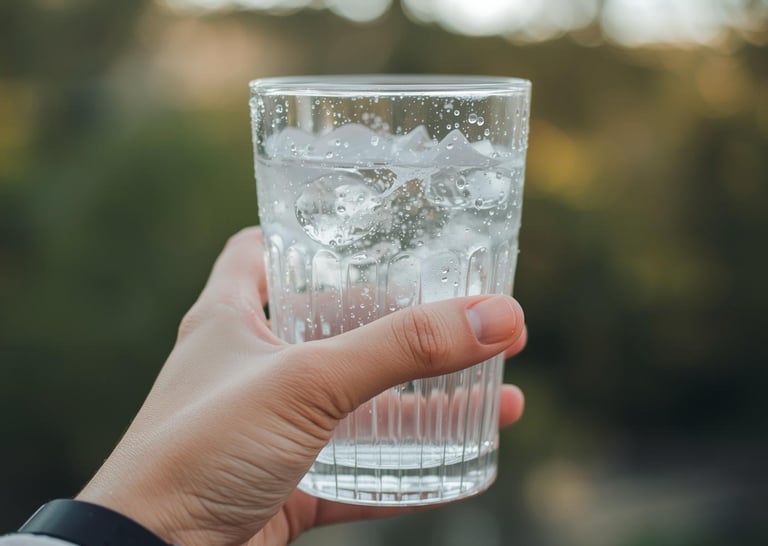
Free water intake calculator and daily hydration converter. Instantly convert your ideal water needs by body weight, workout intensity, weather, and diet. Perfect for athletes, dieters, office workers, and health-conscious Americans. Mobile-friendly, science-backed, fast. No signup needed.
© 2026 Numovix. All rights reserved.
Calculators Categories
Digital & Tech
Converters Categories